Showing posts with label Institute for Integrative Nutrition. Show all posts

Monday, October 15, 2012

Favorite Stews Edition: Beef Heart Bourguignon

Over the course of the last few weeks, I've had the pleasure of sharing some of my learnings from the Institute for Integral Nutrition with a few of my friends looking to get healthy. One common theme is the struggle to know what to eat. Everyone echos the same sentiment: I grew up eating Lucky Charms and Low Fat Milk for breakfast and now I have no idea what I should be eating! Similarly, dinner has often been takeout of either Chinese food or pizza as parents (mostly moms) struggled to balance work and cooking for the family. I grew up in such a household myself. We often had Chinese take out growing up in Brooklyn. When we moved to San Francisco, my mother fell in love with the San Francisco cuisine and would often bring home Banh Mi sandwiches and Chinese Buns for dinner. But after a while, she learned how to make her own Chow Fun and Lo Mein and soon we were enjoying homemade Chinese take out, which my mom would make to last us a week.

The idea of cooking for the family or preparing a meal for yourself for the week is much more daunting than the task itself. If you have the right tools, you can prepare a meal in 15minutes in the morning, set it to cook on low for several hours, and by lunchtime or dinnertime have a delicious meal available to enjoy. The key is to find several recipes that are manageable and fun. I am a big fan of stews and one-pot meals. I truly feel that it's an easy way to ensure you cook once and eat several times. One of my favorite stews is Beef Bourguignon, but unfortunately it usually calls for milk, flour or tomatoes. So, I've developed a recipe that uses none of those ingredients and, to make it fun, I'm using beef hearts instead of stew meat. You can easily substitute beef stew meat instead.


Beef Heart Bourguignon
Ingredients
1.5-2lb Beef Heart (or stew meat)
5 small onions 
3 large carrots
1 medium sized celery root
1.5 cups sprouted lentils
4 bay leaves
4 springs of thyme
1 tbsp Himalayan Salt
1 bottle of dry wine (I use the $1.99 Cabernet Savingnon from Whole Foods)
1 tbsp ghee/coconut oil/olive oil

Process:
1.Cube beef heart and clean outer skin of onions

2. Heat ghee/oil in dutch oven or large enameled pot

3. Chop carrots and cube celery root

4. Add whole onions into pan and let brown

5. Add heart, salt, bay leaves, thyme and saute for 10 minutes

6. Add carrots and celery root

7. Add wine

8. Bring to boil, let boil for 20 mins and lentils

9. Turn down heat to low and simmer for 3-4 hours

10. Serve & Enjoy!


Friday, October 12, 2012

The Wonders of the Pomegranate: Apple, Pomegranate & Carrot Tonic

A few months ago, when I did my 21-day detox cleanse, I really got into juicing. A few weeks prior to that, the hubby and I watched Fat, Sick and Nearly Dead, a brilliant movie that showcased the amazing power of juicing fruits and vegetables. In that movie, Joe Cross, an Australian business man, goes on a 60-day juice cleanse and films his experience while traveling through the USA and spreading his message of health. What was powerful about the movie was the transformation that Joe goes through. Not only did he reverse many of his health problems, but he embraced a new lifestyle, with which now he has created a huge community. In creating this incredible community on Jointhereboot.com, Joe has introduced so many people to an opportunity to truly change their lives and the lives of their loved ones. Joe and I both share a passion for changing the world through people's relationship to food and in doing so helping them understand how that food affects them physically, mentally and emotionally. This is why I have enrolled at the Institute for Integrative Nutrition and will soon be a certified Holistic Health Coach.

During my 3 week cleanse, I juiced almost daily. You can find many of my juice recipes in the RECIPES section of the blog. But because I was focused on cleansing, many of these juices are packed with plenty of greens, but not all of them are extremely delicious. Don't get me wrong, the juices are quite tasty, but the recipe I will share with you today is simply incredible.

I love pomegranates. Growing up, I ate them often and in large quantities when they were in season. Thinking about the process of peeling a pomegranate, digging out the seed, cracking it in my mouth, sucking the seed, and carefully chewing the pulp in fear of getting appendicitis, brings me back to when I was kid growing up in Brooklyn. Someone told me when I was young that you can't process the seed and if you swallow it, you'll get appendicitis. Spitting it out seemed like too much work so I'd chew it thoroughly and cross my fingers. I still have my appendix, so I'm pretty sure the fear tactic was just that and not based in facts. Nowadays, its even easier to enjoy the juice since there are so many pomegranate juices on the market, but after juicing the seeds myself, I now understand how many go into one bottle of POM juice. It's ALOT!

Native to Iran and Northern India, the pomegranate has been enjoyed my many cultures. It was first introduced to the US in 1769 by the Spanish. Many Persian, Turkish, Azerbaijani, and Greek dishes are made with pomegranate seeds or juice. In tradition Indian medicine, or Ayurveda, pomegranates have been used to treat a variety of ailments, including dysentery, diarrhea, heart problems, gingivitis, and hemorrhoids. The National Institutes of Health are researching the pomegranate's healing properties for diabetes, cancers, the common cold, infant traumatic brain injuries and atherosclerosis.

High in vitamin C and anti-oxidants, pomegranates are a great natural supplement to include in your daily regimen during the winter months. One way to do that is through juicing. While it does take some work to peel and seed the fruit, the effort is well worth it. The juice that is extracted is highly flavorful and deliciously tart. Because it is so tart, I decided to pair it with apples and carrots, two of my favorites for juicing. The result is a very flavorful, tart and sweet juice rich in vitamins and minerals.

Apple, Pomegranate & Carrot Tonic
Seeds of 3 small pomegranates
3 apples
6 carrots

 Process:
1. Juice!
2. Enjoy!


Tuesday, September 25, 2012

Answering the Ever So Popular Question: What Should I Eat?


This blog has been a culmination of over a decade of interest in healthy eating and healthy living. While, I may not have always eaten the most healthy diet, I've always been very occupied with what a healthy diet should look like. As part of this interest, I have seen countless practitioners from acupuncturists and nutritionists to energy healers and hypnotherapists.

When I got engaged in 2006, a friend of mine mentioned the Institute for Integrative Nutrition and their Health Coach program and she suggested I find a Health Coach in my area. That's when I found Stacey Morgenstern. I spent 6 months working with Stacey and she was instrumental to opening my eyes to a new way of eating. In this program, we discussed what the Institute for Integrative Nutrition refers to as Primary Food, which are not just the foods you eat, but everything else that feeds your soul and fulfills your life: your work, your relationships, your spiritual practice. In working with Stacey, I realized that a number of things in my life were preventing me from truly "feeding my soul." One of them was my former job. So when my husband (then fiance) called me to tell me he got a raise, I told him I'm walking into my boss's office and quitting that job. That was two weeks before the wedding.

Six years later, I am now enrolled in the Health Coach at the Institute of Integrative Nutrition and in 6 months, I, too, will be able to see clients. Now, when I tell people that I am enrolled in the program, many ask: "How should I eat?" I actually had 3 people ask that exact question over the weekend.

I'm not a professional just yet, and so I am not offering advice. I know what works for me and helped me lose weight, reduce inflammation, feel lighter, or just feel better and so my personal belief is to avoid eating anything white except for cauliflower.

What's White?
Flour
Milk
Iodized Salt
Potatoes
Sugar

Why I Don't Eat White Flour or Anything Made with White Flour:
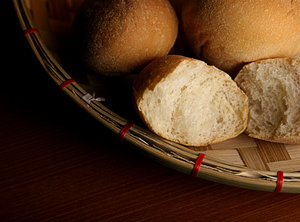
White flour is refined, stripped of all nutrients, and then bleached. Next, synthetic nutrients are added back into the flour. It is devoid of any fiber and even the nutrients added back into enriched flour aren't absorbed by the body and are often actually toxic.


Pandesal (Bread): No description

Why I Don't Drink Milk or Eat Dairy Products:
Even organic milk producers are milking their cows when they are pregnant or nursing because of how much milk they produce during this time. What allows them to produce so much milk? Hormones! And all of those hormones end up in your Milk. According to Walter Willet, head of Harvard's Nutrition program, drinking milk does not prevent bone fractures and actually has been shown to increase the prevalence of a number of cancers. Milk causes phlegm accumulation which leads to inflammation.

Milk 3: ...
                                                     

Why I Don't Eat Idolized Salt:
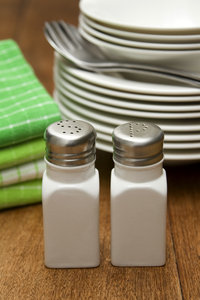
Regular table salt is white because it's bleached. If you've ever looked at Celtic Salt it's grey, Himalayan Salt is Pink and it is rare to find a natural salt that is white. Most table salt is made in a lab and is actual a chemical compound. This chemical salt disrupts the circulatory system, nervous system and balance of fluid.
                                                  
         
Salt & Pepper: visit http://www.vierdrie.nl

Why I Don't Eat Potatoes:
Potatoes are nightshades, a family of vegetables that have been shown to aggravate inflammatory conditions, especially arthritis and psoriasis. A recent study showed that potatoes are more likely to absorb radioactive materials from the soil than any other vegetable. Finally, when potatoes are fried, a toxic substance called acrylamide is formed. Acrylamide has been shown to cause cancer in lab animals.

   potatoes 3: none
   

Why I Don't Eat Sugar:
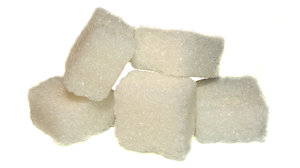
I can write a book about this, but I won't. Nancy Appleton has written 7 books about the topic and has sent me 3 to read and review. Once I read them and digest them, I will summarize why you shouldn't eat sugar, but in the meantime here are her top 10 reasons:


  1. Sugar can suppress your immune system.
  2. Sugar upsets the mineral relationships in the body.
  3. Sugar can cause juvenile delinquency in children.
  4. Sugar eaten during pregnancy and lactation can influence muscle force production in offspring, which can affect an individual’s ability to exercise.
  5. Sugar in soda, when consumed by children, results in the children drinking less milk.
  6. Sugar can elevate glucose and insulin responses and return them to fasting levels slower in oral contraceptive users.
  7. Sugar can increase reactive oxygen species (ROS), which can damage cells and tissues.
  8. Sugar can cause hyperactivity, anxiety, inability to concentrate and crankiness in children.
  9. Sugar can produce a significant rise in triglycerides.
  10. Sugar reduces the body’s ability to defend against bacterial infection.
Lump sugar: no description


You may not agree with everything I've mentioned here and that's okay. You can read hundreds of diet books and they will tell you a 100 different ways to eat. In the end, the only way that matters is the one that makes you feel your best. I think everyone should experiment with their diet and find the way to nourish themselves that is manageable long-term. Find the lifestyle that works for you and stick with it. That's the only way to lose weight, get healthy and feel your best!

Cooking.com